
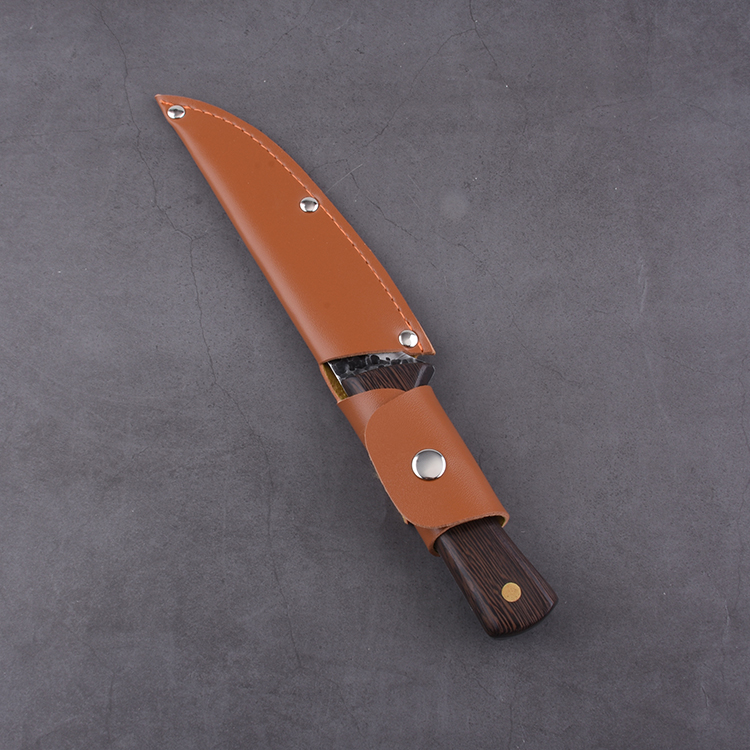

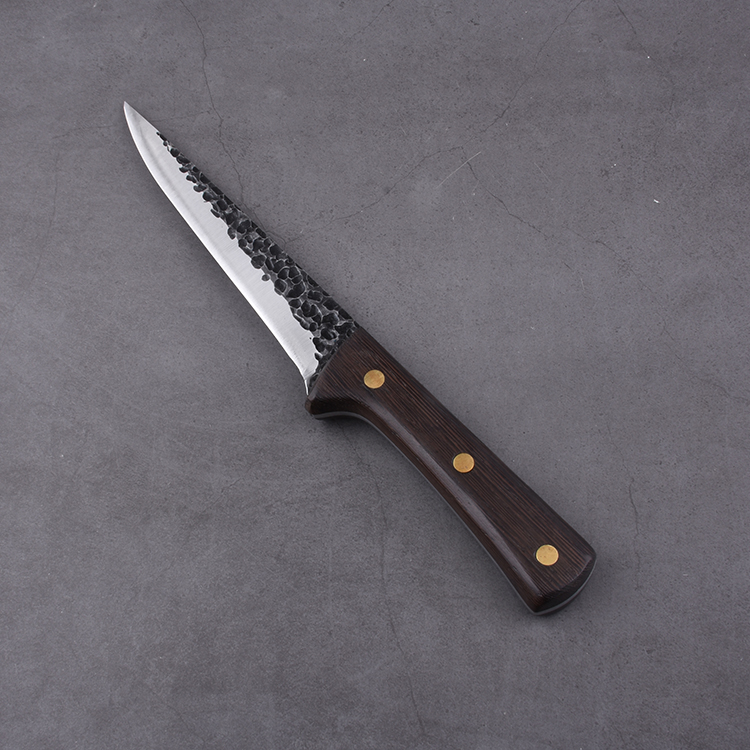

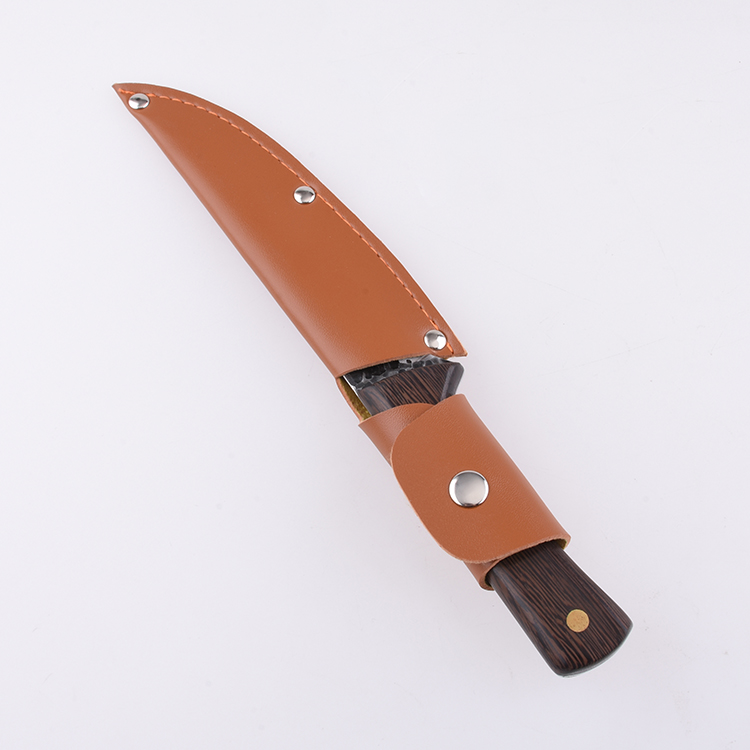
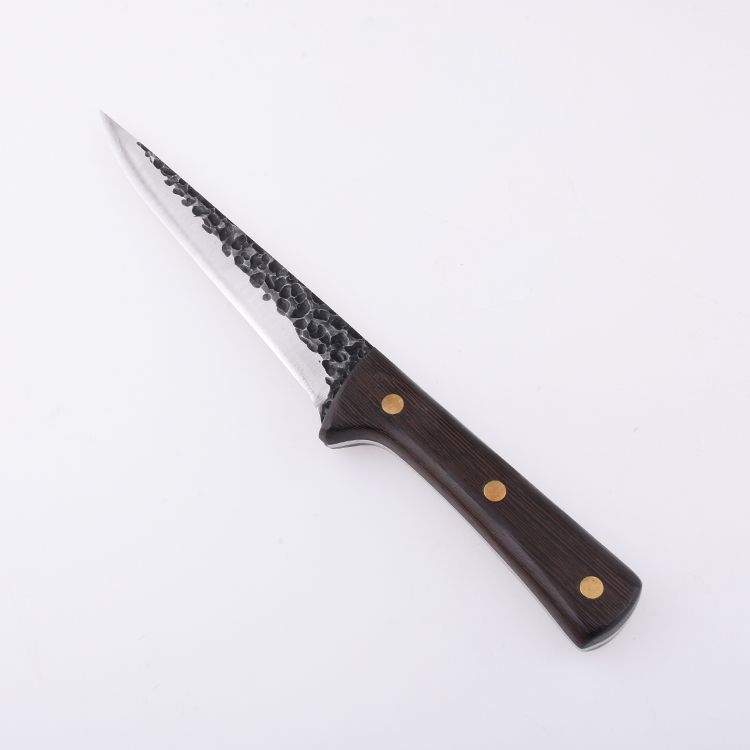


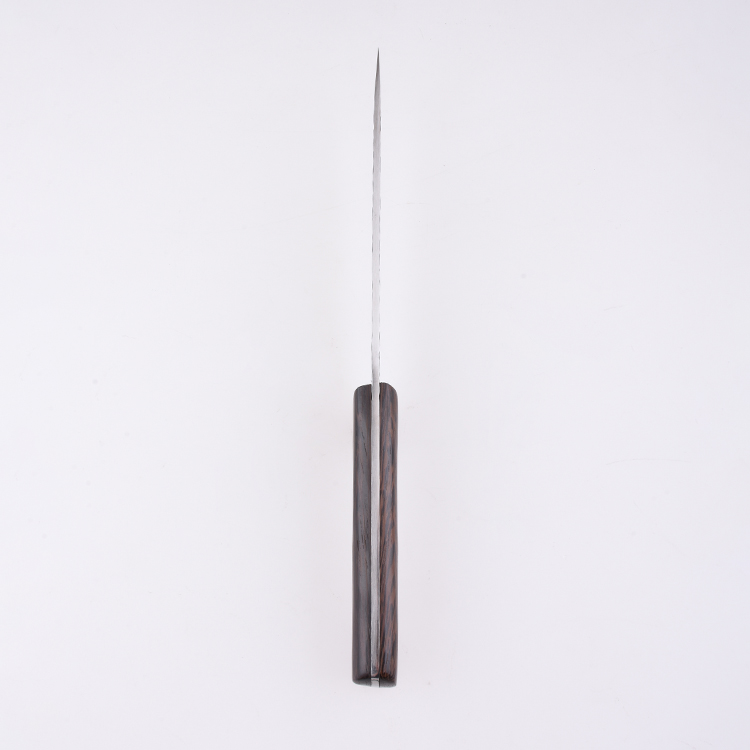
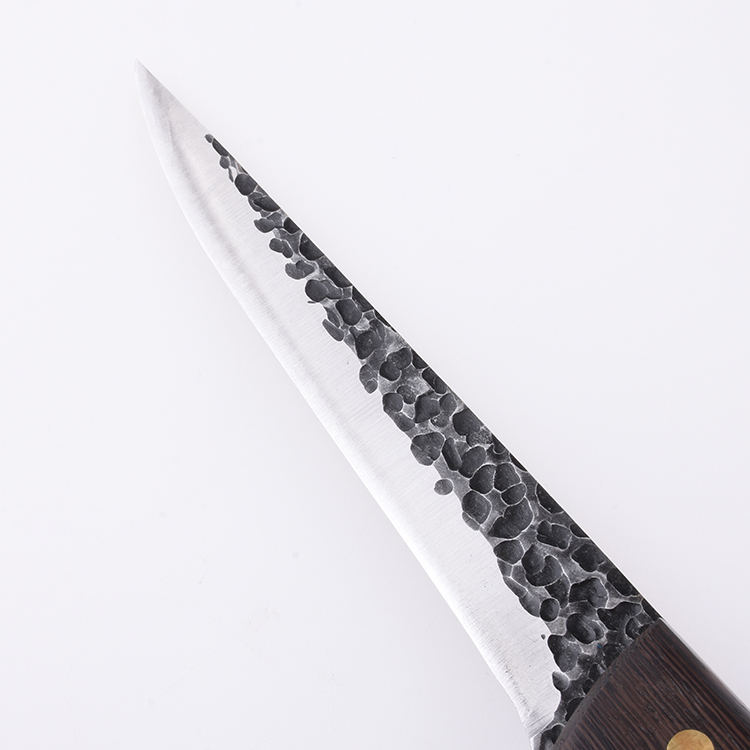



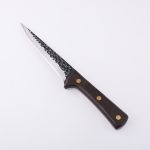



Item NO.: HH-5375
Item segment: Butcher knives
Klingenmaterial: 3Cr13
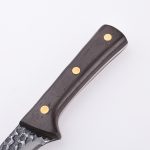
Griffmaterial: Holz
Blade thickness: 3.3mm/0.13”
Blade length: 153mm/6.02”
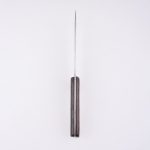
Handle thickness: 18mm/0.709”
Total length: 263mm/10.35”
Weight: 175.5g/6.19 oz
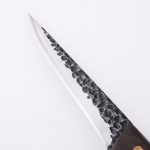
Klingenstil: Utility Point
Grifffarbe: Holz
Scheide: Lederscheide
Klingenfinish: Satin
Klingenschliff: Flach
ODM reguläre Mindestbestellmenge: 1
3Cr13: Es handelt sich um einen martensitischen Edelstahl mit guter Bearbeitungsleistung. Nach der Wärmebehandlung (Abschrecken und Anlassen) weist es eine hervorragende Korrosionsbeständigkeit, Polierleistung, hohe Festigkeit und Verschleißfestigkeit auf und eignet sich für die Herstellung, um hohen Belastungen, hoher Verschleißfestigkeit und Kunststoffformen unter Einwirkung korrosiver Medien standzuhalten. Nach dem Abschrecken und Anlassen ist das 3Cr13-Material mit einer Härte unter HRC30 besser bearbeitbar und lässt sich leicht mit einer besseren Oberflächenqualität erzielen.
Utility Point: It is similar to the water drop type tip, but the tip angle is sharp and can be used for puncture. Generally, the portable tools are in a tip mode.
Introducing the basic usage that you should remember to use the knife safely and securely. It can be used in a variety of survival scenes, so please learn how to use it and try camping with a knife.
How to use ①: Cut the meat
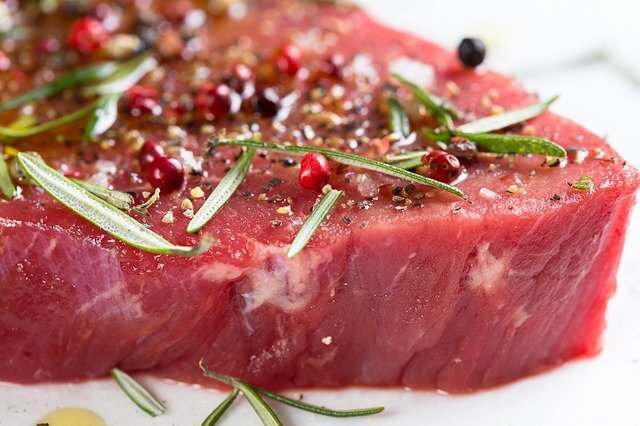
Cooking is one of the pleasures of the outdoors. Simply eating outdoors will make simple dishes even more delicious. Knives made for survival purposes can be used to cut the meat used in cooking.
However, the sharpness is inferior to that of a normal kitchen knife, so the point of use is to cut it so as not to damage the meat. If you try to cut it by force, the meat may be crushed and the deliciousness may be spoiled.
Cut while moving the knife finely
Basically, it is important to move the knife finely and cut it little by little. Even if it doesn’t cut immediately, you can cut it little by little by moving the knife finely.
If there is a saw-shaped part, it is also recommended to utilize it. It cuts off the fibers of the meat and makes it easier to cut. Check the structure of the survival knife and actively use the parts that you can use.
How to use ②: Cut fish
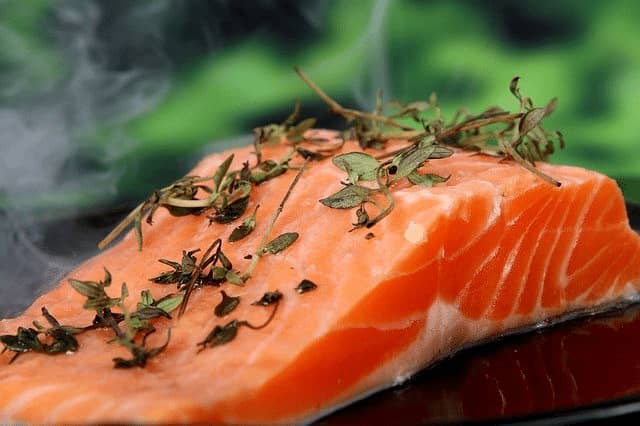
You can also use a survival knife to cut fish for cooking. Let’s learn the basic usage and cook the fish. First, we will do the work of removing scales. Scales may contain germs, and cooking outdoors may increase the risk of food poisoning. Use the back of the knife to carefully remove the scales.
Then drop your head. The point of using a knife is to cut using the line connecting the base of the chest fin and the base of the belly fin as a guide.
Cut your stomach and take out the cotton
Insert a knife into the cut head and slide it towards the tail. When you’re hungry, take out the cotton. After flushing the blood with running water, the pretreatment is complete. Simply bake it, chop it up and put it in the soup, or enjoy it with your favorite cooking method.
How to use ③: Cut vegetables and fruits
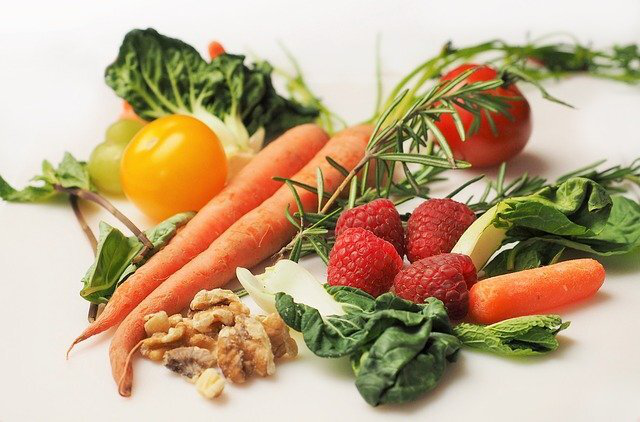
The appeal of survival knives is that you can easily cut vegetables and fruits. Because it uses durable materials, even hard vegetables such as root vegetables can be cut immediately. When cutting vegetables and fruits, the trick is to pull them instead of pushing them with a knife.
Even if you try to push it to cut it, it will not work well, and even soft vegetables and fruits may be crushed. If you move the knife so that it pulls toward you, you can cut it neatly without worrying about crushing it.
Can also be used for peeling
For vegetables and fruits that are worrisome about hard skin, peel and prepare. Hold the survival knife in your dominant hand and the vegetables and fruits in your other hand. Place the blade at an angle and gently press it with your thumb. Slide the knife forward while moving your thumb back.
By repeating this work, you can see that the skin peels off little by little. If you are not accustomed to it, you may get injured if you use it incorrectly, so it is recommended that you practice to get used to it little by little.
How to use ④: Cut the rope

A rope known as a convenient tool for camping. It is not easy to use if it is left for a long time, so you need to cut it appropriately with a survival knife. If you’re not used to it, you’ll want to cut it from the top of the rope, but the opposite is true.
The basic usage is to put a survival knife under the rope and cut it. Once the rope is taut, point the knife blade up and push it up from underneath the rope. If you move the survival knife with the image of sliding it, the rope will break.
There are various ways to use the cut rope
If you cut the rope safely, let’s use it for various purposes. For example, you can pass a rope between trees and attach hooks to hang cooking utensils and lanterns. Also useful for hanging wet clothes and towels to dry.
In full-scale survival, you can also use a waterproof sheet and rope to make an instant tarp. Learn how to cut the rope safely and use it in various survival scenes.
How to use ⑤: Make firewood
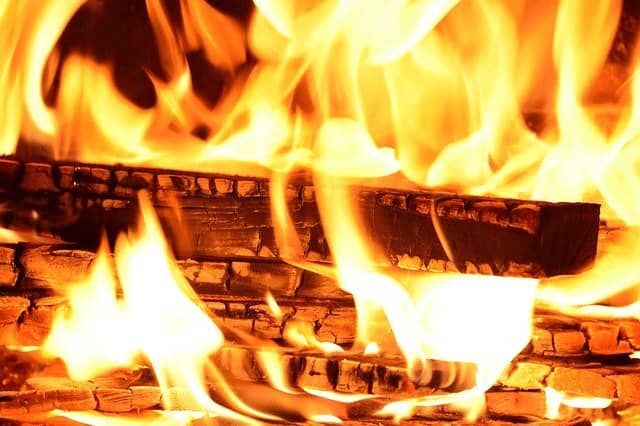
Firewood is necessary for the bonfire, which is indispensable for cooking and warming. Survival knives made from durable materials can cut wood to make firewood.
It is important to remember how to use a survival knife in order to make firewood from the wood around the campsite. If you understand the basic usage, you will be able to easily make the required amount of firewood.

Unser markenorientierter Herstellungsprozess zielt darauf ab, unseren Kunden jederzeit ein nahtloses und problemloses OEM-Sourcing-Erlebnis zu bieten.
01 Senden Sie Ihre Anfrage: Teilen Sie uns mit, wie Ihr Messerprojekt aussehen soll, vom Design und den Materialien bis hin zum Druck und der Verpackung.
02 Erhalten Sie sofort ein Angebot: Wir unterbreiten Ihnen ein umfassendes Angebot, in dem alle Kosten aufgeführt sind, einschließlich Material- und Logistikgebühren.
03 Bestätigen Sie den Prototyp: Ein funktionsfähiger Prototyp wird auf der Grundlage Ihrer Designspezifikation erstellt und Ihnen zum Testen und zur Bestätigung zugesandt.
04 Geben Sie Ihre Bestellung auf: Sobald Sie mit dem gesendeten Prototyp zufrieden sind, können Sie nun die Bestellung für Ihr Messerprojekt aufgeben und mit der Massenproduktion beginnen.
05 Herstellung und Lieferung: Die Produktion des Messerprojekts wird in vollem Gange begonnen, zusammen mit einer gründlichen Produktinspektion und Verpackung. Die abgeschlossene Bestellung wird dann an Sie versendet.
06 After-Sales: Unsere Partnerschaft endet nicht mit der Lieferung der Bestellung, da unser reaktionsschnelles Kundensupport-Team bereit ist, schnellstmöglich zu helfen und auf Anfragen zu antworten.
Alle Anpassungsoptionen
Rand, Klingenlänge, Klingentypen, Klingenmaterialien, Griffmaterialien, Öffnungsmechanismus, Verschlussmechanismus
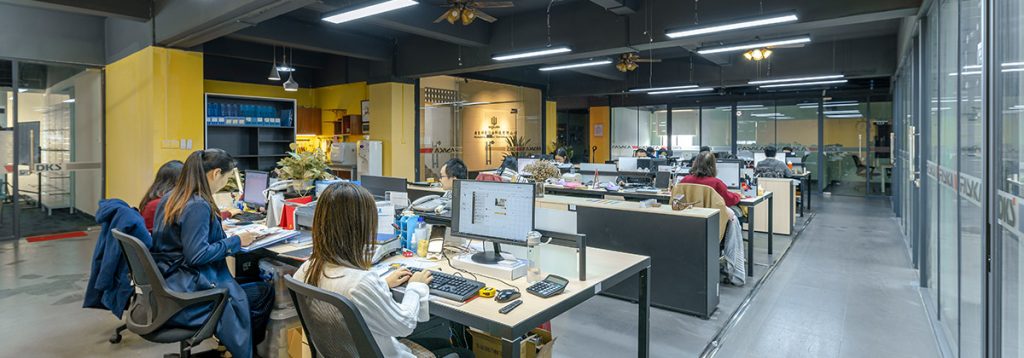
Wir kümmern uns um unsere Kunden
Shieldon ist sich der steigenden Anforderungen der Branche bewusst und ist in der Lage, alle Anforderungen unserer Kunden effizient und erschwinglich zu erfüllen. Da wir einen einzigartigen Zugang zu den besten Materialien auf dem Markt haben, wählen wir für unsere Projekte die renommiertesten Materiallieferanten aus. Darüber hinaus verfolgen wir kontinuierlich die neuesten Trends in Produktion, Design und Verpackung, um sicherzustellen, dass unsere Produkte branchenführend sind.


 DE
DE  EN
EN  ES
ES  FR
FR  RU
RU  PT
PT  KO
KO  ID
ID  MS
MS  IT
IT  TL
TL